
Articles
Evidence-based guides on medical treatment, recovery, and longevity.

CJC-1295 & Ipamorelin: A Beginner's Guide to the Combination
CJC-1295 and ipamorelin act on two different growth hormone pathways. Here's why they're paired, what the research covers and what to discuss with your doctor.

BPC-157 Explained: What It Can and Can't Do
BPC-157 is widely discussed for tissue repair, but most of the evidence comes from animals. Here's what it is, what research shows and what to discuss with your doctor.

GHK-Cu Explained: Skin, Hair, Collagen and the Evidence
GHK-Cu is a copper-binding compound your body makes naturally. Here's how it's linked to collagen and skin repair, what human studies show, and what's still unproven.
BPC-157, TB-500 or a Stack? Wolverine and Glow Explained
BPC-157, TB-500, Wolverine and Glow are often confused. Here's what each contains, how they differ, and how much human evidence sits behind them.

KPV for Gut and Skin Inflammation: What the Research Shows
KPV is a three-amino-acid fragment of a natural hormone. Here's what laboratory and animal research suggests about inflammation, and why human evidence is still limited.

MOTS-c Explained: What the Research Shows for Metabolic Health
MOTS-c is a signalling molecule made by your mitochondria. Here's what animal and human research shows about metabolism and insulin sensitivity, and what isn't known yet.

Exercise on Weight Management Compounds: How to Protect Muscle
Weight loss on weight management compounds can include muscle. Here's how resistance training and protein help you keep muscle while losing fat.

Weight Loss Plateau on Weight Management Compounds?
Weight loss slowed on weight management compounds? Plateaus are normal. Here's why they happen and evidence-based ways to get moving again.

What to Eat on Weight Management Compounds
A practical nutrition guide for weight management compound: getting enough protein, sensible portions, and easing common side effects like nausea.

TRT in South Africa: Symptoms, Blood Tests and What to Expect
Low hormone levels are diagnosed with symptoms and repeat blood tests, not symptoms alone. Here's how the diagnosis works, what treatment involves and what monitoring to expect.
Why Sourcing Matters: Risks of Unregulated Sellers
Lab tests keep finding grey-market treatments with wrong doses, low purity and contamination. Learn how to check any supplier in South Africa before you buy.
Medical Treatments: A Complete South African Guide
How medical treatments work, what they're used for, possible side effects, and why a doctor-led, prescription-only approach matters.
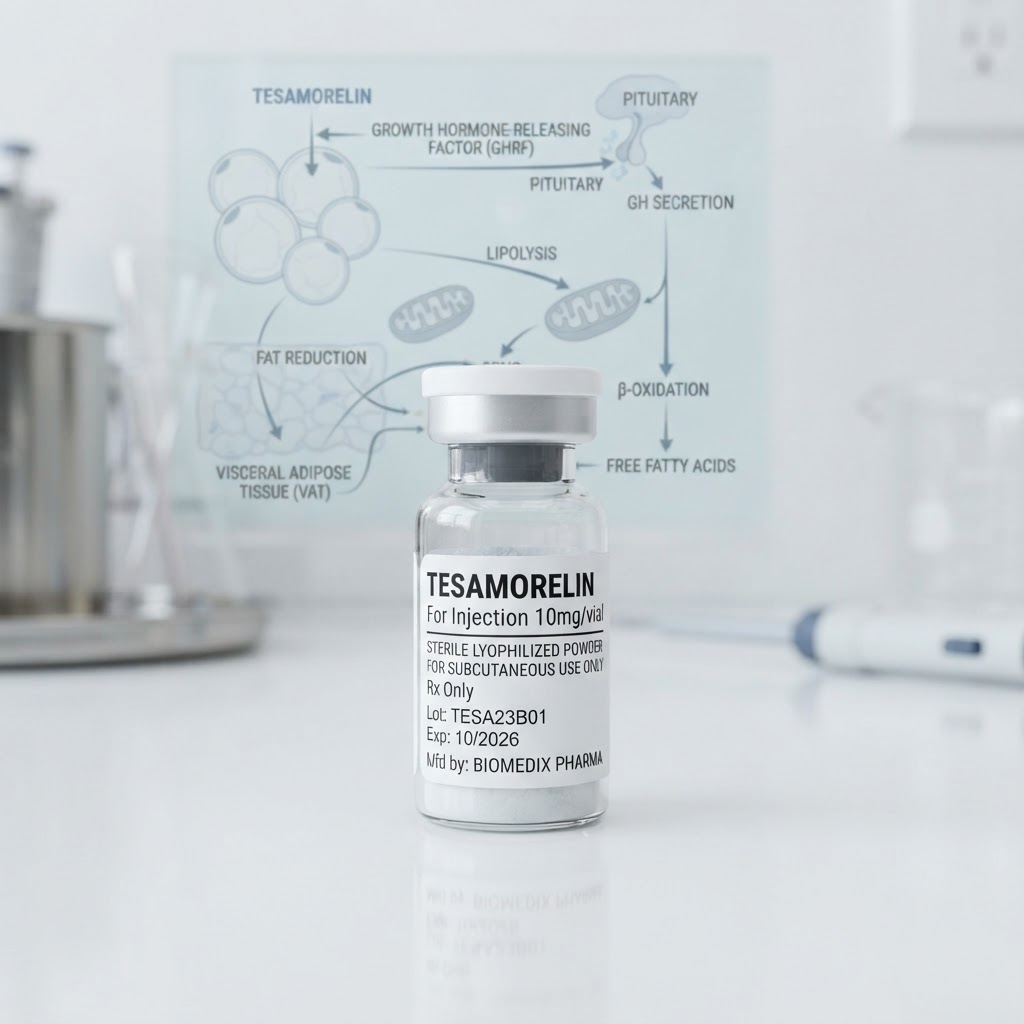
Tesamorelin: Visceral Fat, Growth Hormone & More
How tesamorelin works on growth hormone, what clinical trials show for visceral fat, and what researchers are still studying beyond fat loss.
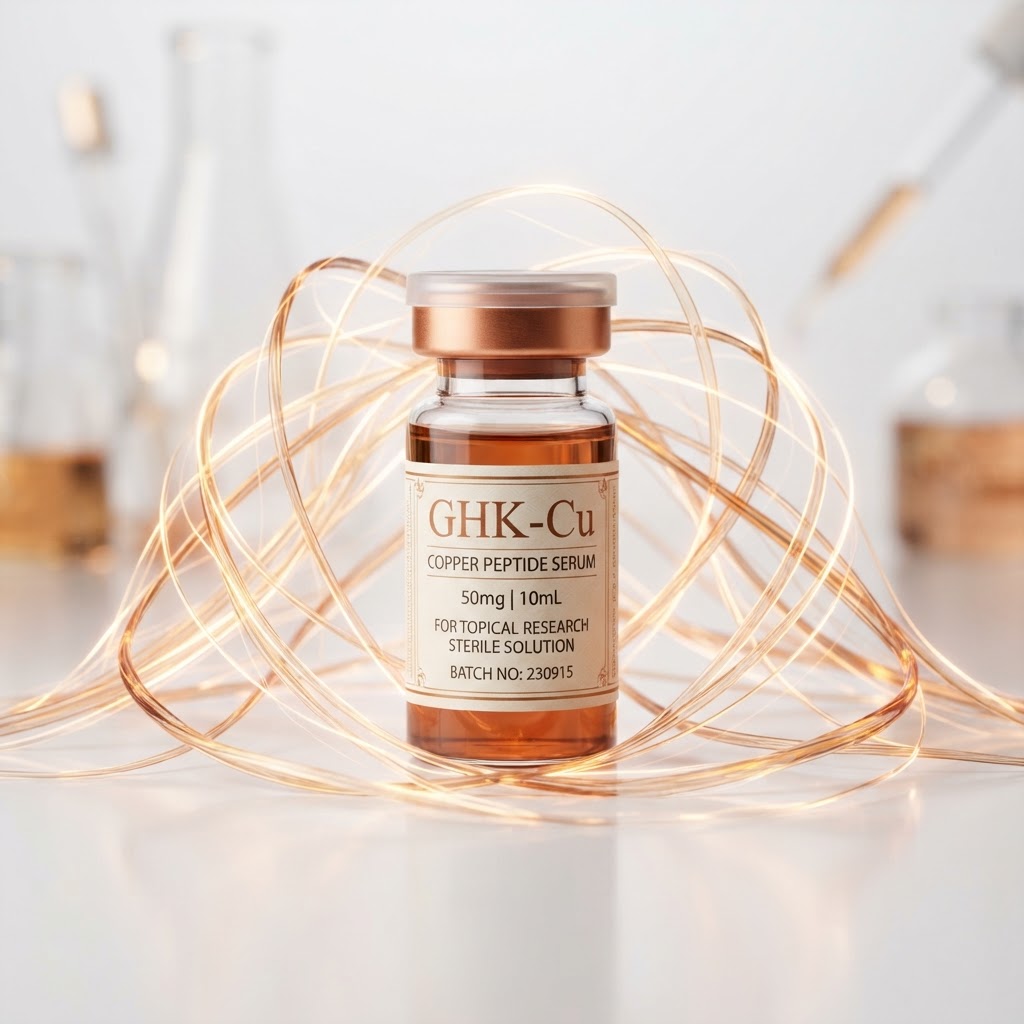
GHK-Cu Explained: The Collagen Copper Complex
GHK-Cu is a copper complex your body makes naturally. Here's how it's linked to collagen, elastin and tissue repair, and why it goes beyond skincare.
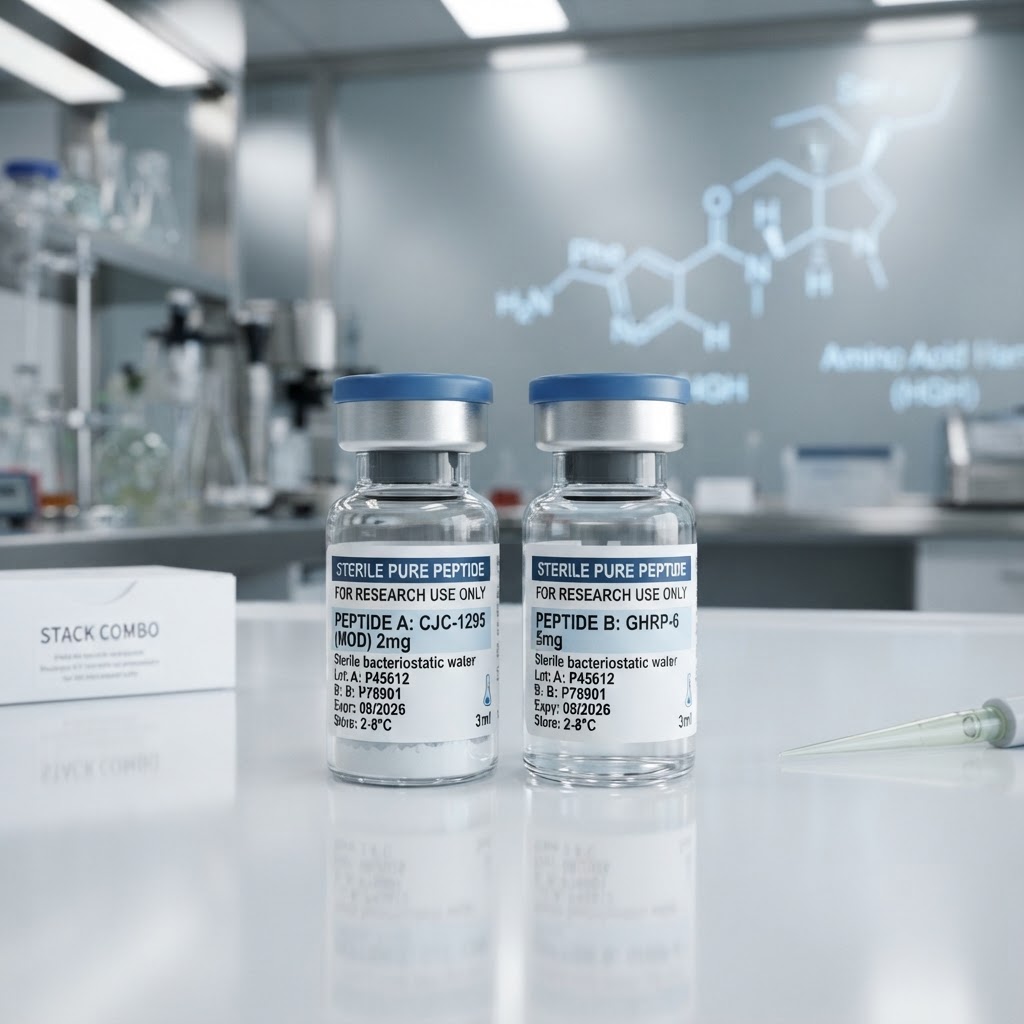
CJC-1295 & Ipamorelin: Why They're Combined
CJC-1295 and ipamorelin are almost always used together. Here's the science behind pairing a GHRH with a GHRP for growth hormone release.

Weight Loss Plateau on Weight Management Compounds?
Weight loss slowed on weight management compounds? Plateaus are normal. Here's why they happen and evidence-based ways to get moving again.
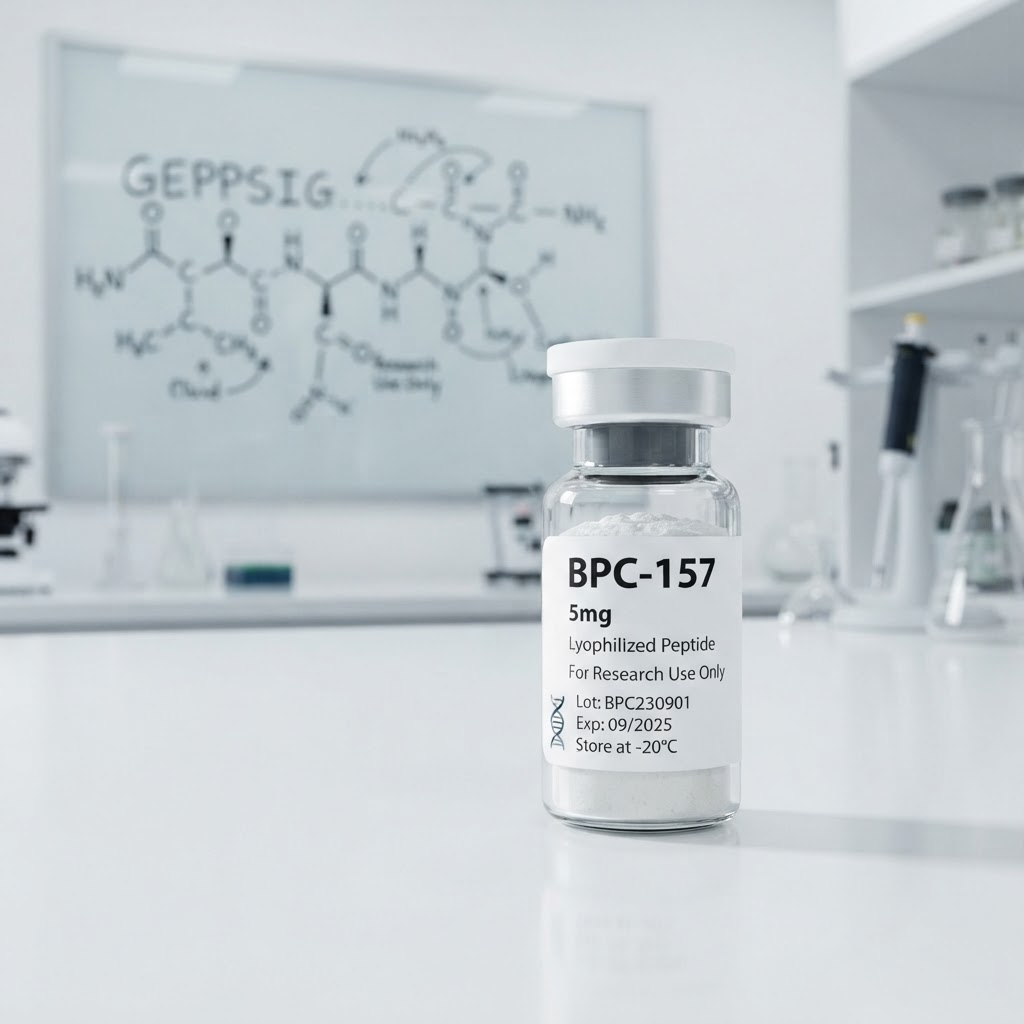
BPC-157 Explained: How It Works & What to Expect
What BPC-157 is, how researchers think it supports tissue repair, and what the evidence does and doesn't show yet. A clear, balanced guide.

PT-141 & Libido: The Science of Sexual Health
Libido involves brain chemistry, blood flow and nerve signalling, not just hormones. Here's how PT-141 works differently from traditional treatments.

Injury Recovery After 40: Why Healing Slows
Why injuries take longer to heal after 40, what actually helps, and where treatments like BPC-157 and TB-500 fit in, based on current research.
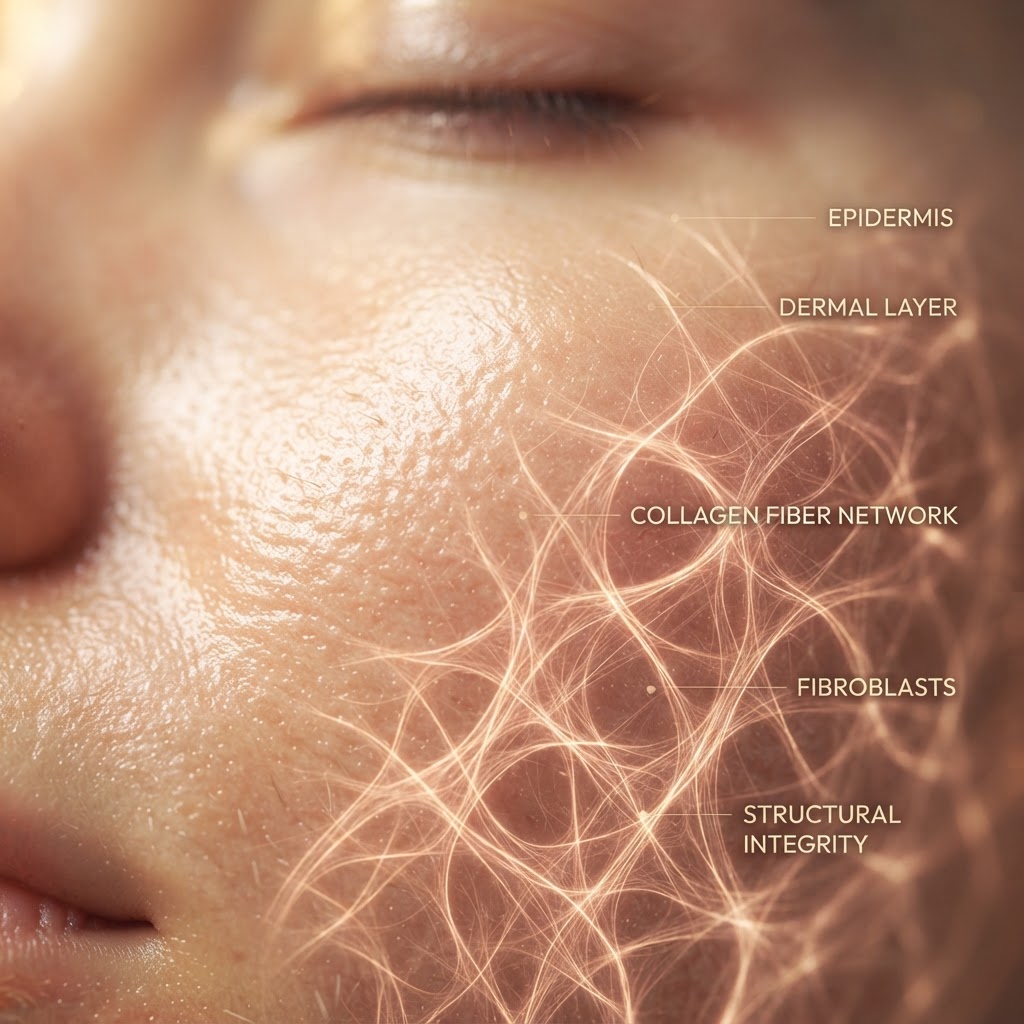
GHK-Cu for Skin, Hair & Collagen: The Science
Collagen loss drives skin ageing and hair thinning. Here's how GHK-Cu is thought to support collagen production from within, and what the research shows.

Epitalon, DSIP & Sleep: What the Research Shows
Sleep is the foundation of recovery. Here's what research suggests about epitalon and DSIP for sleep quality, circadian rhythm and overnight repair.
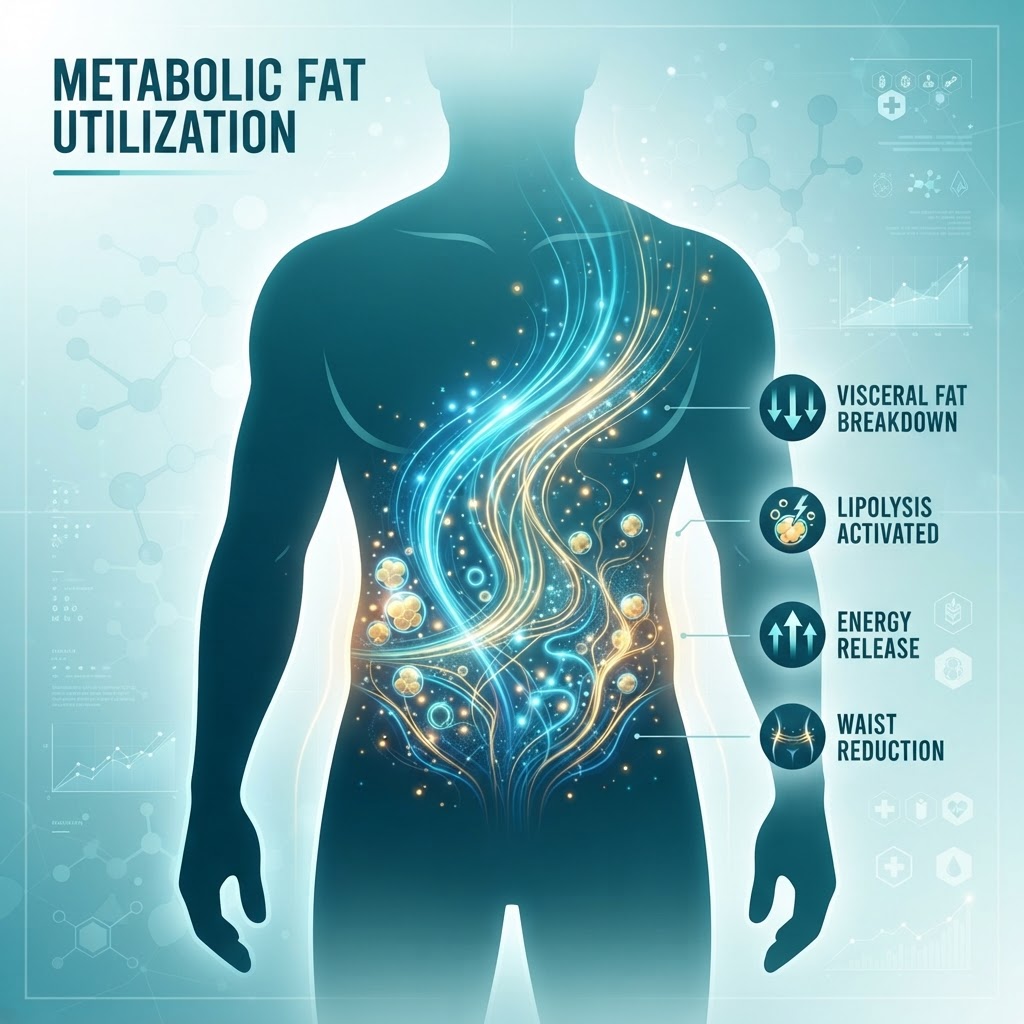
Stubborn Belly Fat: Why It Lingers & What Helps
Why visceral fat around your middle is so stubborn, how it differs from other fat, and what the clinical evidence says about treatments like tesamorelin.
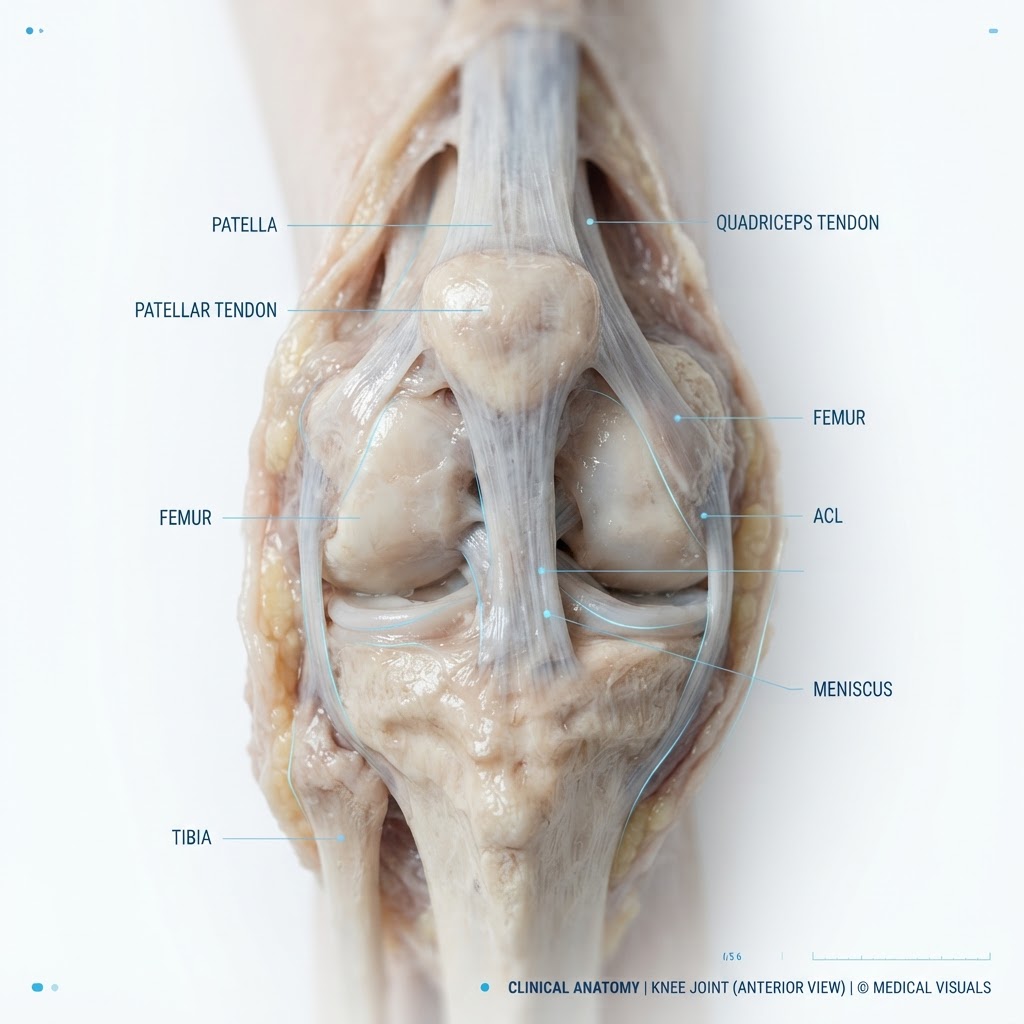
Tendon & Ligament Healing: What the Science Says
Why tendon and ligament injuries heal so slowly, and what current research shows about BPC-157 and related treatments for connective tissue repair.

What to Eat on Weight Management Compounds
A practical nutrition guide for weight management compounds: getting enough protein, sensible portions, and easing common side effects like nausea.

Exercise on Weight Management Compounds: How to Protect Muscle
Weight loss on weight management compounds can include muscle. Here's how resistance training and protein help you keep muscle while losing fat.

Weight Management Compounds Explained: Dual-Action Weight Loss
Weight management compounds act on two hormone pathways instead of one. Here's what that means in practice, how it compares to weight management compound, and what to expect.
BPC-157: What It Can (and Can't) Do
A grounded look at BPC-157: what it is, what the mostly animal-based evidence shows, the safety unknowns, and what to consider before using it.

CJC-1295 & Ipamorelin: A Beginner's Guide
New to CJC-1295 and ipamorelin? Here's what each one does, why they're paired, and what to know before starting, in plain language.

GHK-Cu Copper: The Science of Skin Renewal
GHK-Cu occurs naturally in your body, but levels drop with age. Here's what it is, how it supports skin health, and how it's typically used.
NAD+ Therapy: What the Science Actually Shows
NAD+ is marketed as everything from an energy boost to anti-ageing. Here's a balanced look at what's well established and what's still being studied.