Why Tendons and Ligaments Heal Slowly
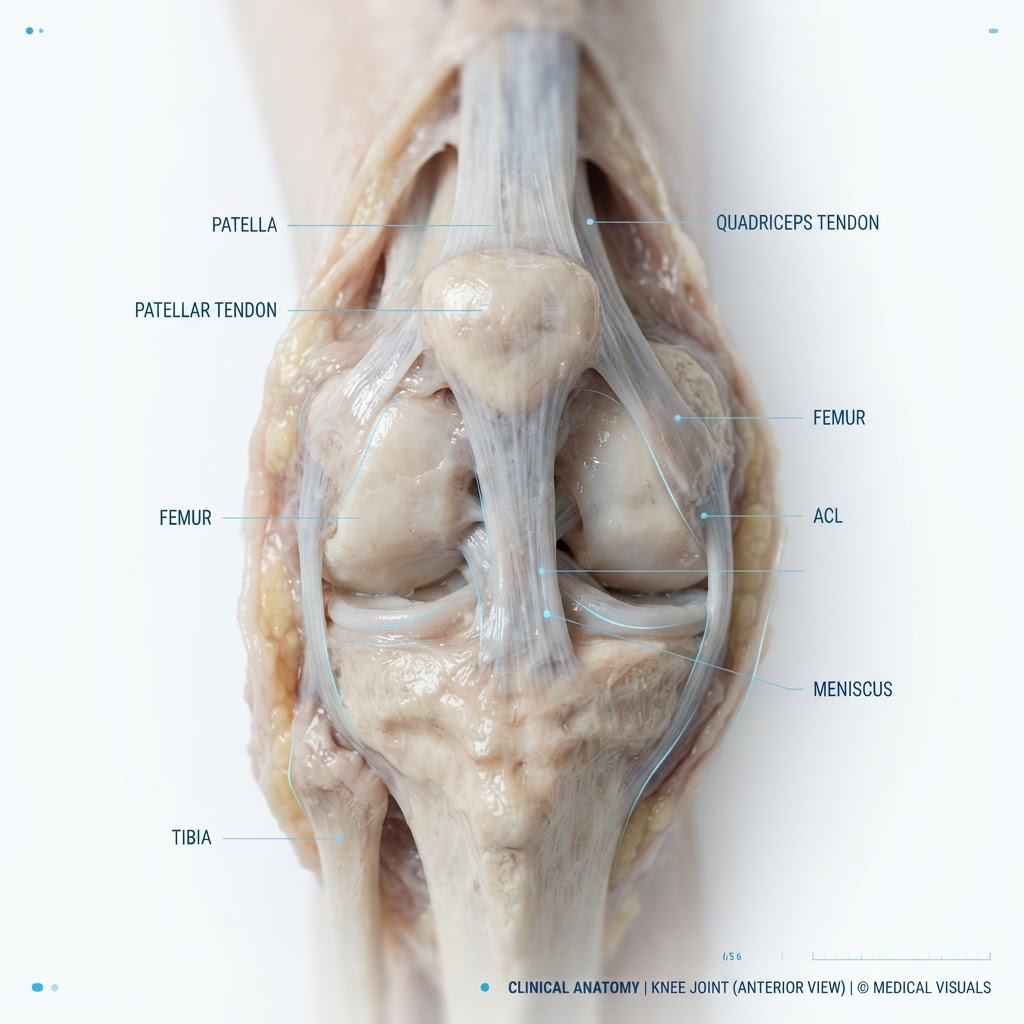
Tendons and ligaments are dense, fibrous connective tissues with notoriously poor blood supply. Unlike muscle, which heals relatively quickly, tendons and ligaments rely on a slow, metabolically limited repair process. This is why a torn Achilles or a strained rotator cuff can sideline you for months — and why incomplete healing often leads to chronic re-injury.
The healing process unfolds in three phases: inflammation, proliferation (where new collagen is laid down), and remodelling. The problem is that the collagen deposited during early healing is disorganised and weak, and the remodelling phase can take 6–12 months to produce functionally mature tissue.
This is where BPC-157 (Body Protection Compound) has generated significant interest.
What Is BPC-157?
BPC-157 is a synthetic medical treatment derived from a medical treatment found in human gastric juice. Originally studied for its gut-healing properties, researchers discovered that it appeared to accelerate wound healing in a wide range of tissues — including tendons, ligaments, muscles, and even bone.
How BPC-157 May Support Tendon Healing
Research suggests BPC-157 may influence connective tissue repair through several mechanisms:
- Angiogenesis (new blood vessel formation): BPC-157 appears to promote the formation of new blood vessels, potentially improving the blood supply to poorly vascularised tissues like tendons.
- Fibroblast activation: Fibroblasts are the cells responsible for producing collagen. Studies suggest BPC-157 may accelerate fibroblast migration and proliferation, speeding up the collagen-deposition phase of healing.
- Collagen organisation: Rather than simply producing more collagen, BPC-157 may help collagen fibres align more effectively, producing stronger, more functional tissue.
- Anti-inflammatory effects: By modulating inflammatory signalling, BPC-157 may reduce the prolonged inflammation that delays tendon healing.
What the Research Shows
Much of the evidence for BPC-157 comes from animal studies. In a notable study, rats with surgically severed Achilles tendons healed significantly faster when treated with BPC-157, with researchers observing improved fibre alignment and greater breaking strength in the healed tissue.
While human clinical trials remain limited, the consistent preclinical findings — combined with widespread anecdotal reports from athletes and patients — have made BPC-157 one of the most discussed recovery medical treatments in sports medicine circles.
Combining BPC-157 With TB-500
Some protocols combine BPC-157 with TB-500 (a fragment of thymosin beta-4), another medical treatment studied for its wound-healing and tissue-repair properties. The rationale is that the two medical treatments may work through complementary pathways — BPC-157 promoting blood vessel formation and fibroblast activity, TB-500 promoting cell migration and tissue regeneration.
What to Expect
Medical Treatment therapy for tendon and ligament healing is not a magic bullet. Healing still requires time, appropriate loading (guided rehabilitation), and patience. However, patients often report:
- Reduced pain and inflammation in the first 1–2 weeks
- Improved mobility and function within 2–4 weeks
- More complete recovery when combined with structured physiotherapy
Is It Right for You?
If you're dealing with a chronic tendon injury, a slow-healing ligament sprain, or post-surgical recovery, medical treatment may be worth exploring. However, because these are prescription compounded medications, they require a medical review to ensure they're appropriate for your individual circumstances.
Complete our medical intake to find out if BPC-157 is suitable for your recovery goals.
This article is for educational purposes only and is not medical advice. All medical treatment products require a prescription following medical review.