Why Nutrition Matters More on Incretin-Based Treatment, Not Less
There's a common misconception that incretin-based medications like semaglutide (Ozempic, Wegovy) and tirzepatide (Mounjaro, Zepbound) make nutrition irrelevant. The logic goes: if the medication controls your appetite, what you eat matters less.
The reality is the opposite. When you're eating less, every bite counts more. A smaller food intake means a smaller window to get the protein, vitamins, minerals, and fibre your body needs. Eat poorly while eating less, and you risk losing muscle, developing nutrient deficiencies, and ending up lighter but less healthy.
Here's a practical, evidence-based guide to what to eat — and what to prioritise — while on incretin-based treatment.
The #1 Priority: Protein
If you take only one thing from this guide, let it be this: prioritise protein at every meal.
Incretin-based medications drive weight loss, but without adequate protein, a significant portion of that weight will be muscle — not fat. Muscle loss slows your metabolism, weakens you, and makes weight regain more likely once you stop the medication.
How Much Protein?
Aim for 1.2–1.6 grams of protein per kilogram of body weight per day. For a 80kg person, that's roughly 95–130g of protein daily.
How to Hit the Target When Appetite Is Low
- Distribute protein across meals — 25–40g per meal is ideal for maximising muscle protein synthesis. Don't try to get it all in one meal.
- lead with protein — eat the protein on your plate first, while your appetite is highest, before vegetables and carbs.
- Use liquid nutrition when needed — a protein shake (whey, casein, or plant-based) can deliver 25–30g of medical treatment in a form that's easy to consume when you're not hungry.
- Choose protein-dense foods — lean meat, fish, eggs, Greek yoghurt, cottage cheese, tofu, tempeh, and legumes give you the most protein per bite.
High-Protein Meal Ideas
- Breakfast: Greek yoghurt with berries and a handful of nuts; or 2–3 eggs with spinach and feta
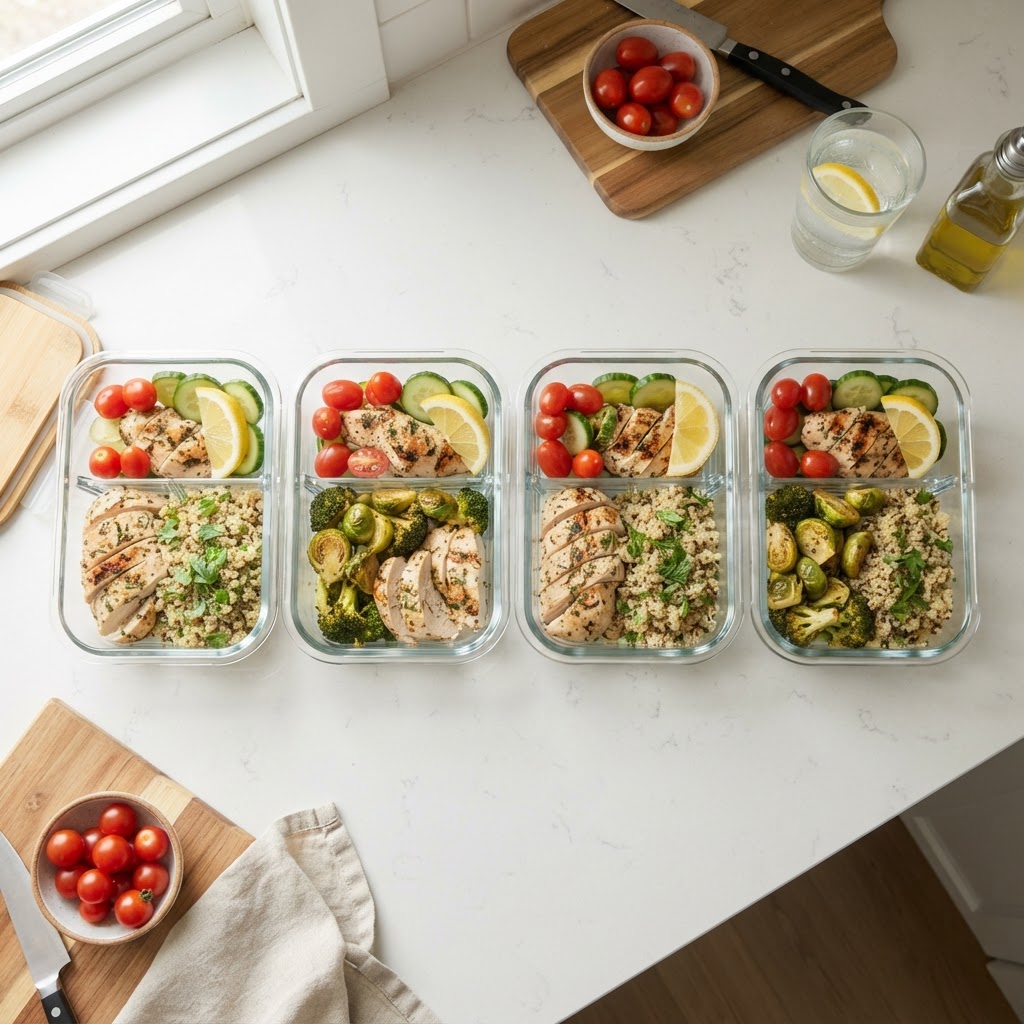
- Lunch: Grilled chicken or fish salad with olive oil dressing; or a bowl with lentils, quinoa, and roasted vegetables
- Dinner: Salmon with steamed greens; or lean beef stir-fry with vegetables
- Snacks: A scoop of protein powder in water or milk; a small handful of almonds; cottage cheese with cucumber
Priority #2: Fibre and Vegetables
Fibre is the unsung hero of incretin-based treatment nutrition. It supports:
- Gut health and digestion — incretin-based medications slow gastric emptying, which can cause constipation; fibre (along with adequate water) keeps things moving
- Satiety — fibre adds bulk and slows digestion, helping you feel full on less food
- Blood sugar stability — soluble fibre (found in oats, legumes, and some fruits) blunts glucose spikes
- Microbiome health — diverse plant fibres feed beneficial gut bacteria, which are increasingly linked to metabolic health
Aim for 25–30g of fibre per day, from a variety of sources:
- Vegetables — especially leafy greens, broccoli, cauliflower, and Brussels sprouts
- Legumes — lentils, chickpeas, black beans
- Whole grains — oats, quinoa, brown rice (in moderation)
- Fruits — berries, apples, pears (with skin)
- Nuts and seeds — chia, flax, almonds
Priority #3: Healthy Fats
Don't fear fat — but be intentional about the types you eat.
- Prioritise: Extra virgin olive oil, avocados, nuts, seeds, and fatty fish (salmon, sardines, mackerel) rich in anti-inflammatory omega-3s
- Limit: Processed seed oils, fried foods, and trans fats
- Be mindful of calorie density — fats are calorie-dense (9 calories per gram vs. 4 for protein and carbs). When appetite is low, a little goes a long way. A handful of nuts is nourishing; a bag is not.
Healthy fats support hormone production, nutrient absorption (many vitamins are fat-soluble), and satiety.
Priority #4: Smart Carbohydrates
Carbs aren't the enemy — but on incretin-based treatment, where total food intake is lower, it's worth choosing them wisely.
- Choose: Whole-food, fibre-rich carbs — oats, quinoa, sweet potatoes, legumes, whole fruit
- Limit: Refined carbs and added sugars — white bread, pastries, sugary drinks, sweets
- Time them strategically — if you tolerate carbs well, having them around activity (before or after a walk or workout) can support energy and recovery
Refined carbs and sugar cause rapid blood sugar spikes and crashes, which can increase hunger and cravings — the opposite of what you want on an appetite-suppressing medication.
Hydration: The Easy Win
Incretin-based medications, combined with reduced food intake, make dehydration more likely. Food normally contributes a significant portion of your daily water intake.
- Aim for 2–3 litres of water per day — more if you're active or in a hot climate
- Sip throughout the day — don't try to chug large amounts at once, especially if your stomach feels full easily
- Add electrolytes if needed — a pinch of salt or an electrolyte supplement can help, especially if you're experiencing lightheadedness or fatigue
- Limit caffeine and alcohol — both are diuretics and can worsen dehydration
Foods to Limit or Avoid
These foods work against you on incretin-based treatment:
- Sugary drinks and juices — empty calories that spike blood sugar without satiety
- Fried and ultra-processed foods — calorie-dense, nutrient-poor, and often trigger gastrointestinal discomfort
- Alcohol — empty calories, can worsen dehydration, and may amplify treatment side effects like nausea
- Refined grains — white bread, white rice, pastries offer little nutritional value
- High-fat, low-protein snacks — crisps, biscuits, and similar foods crowd out more nourishing choices
Managing Common Side Effects Through Food
Nausea
- Eat smaller, more frequent meals
- Choose bland, easy-to-digest foods (plain chicken, rice, toast, bananas)
- Avoid strong smells, spicy foods, and very fatty meals
- Ginger (tea or fresh) can help settle the stomach
Constipation
- Increase water intake significantly
- Prioritise fibre from vegetables, fruit, and legumes
- Consider a magnesium supplement (speak with your doctor)
- Stay physically active — movement stimulates digestion
Fatigue
- Ensure adequate protein and iron intake (lean red meat, spinach, legumes)
- Don't skip meals entirely — undereating can worsen fatigue
- Stay hydrated
- Have your doctor check for nutrient deficiencies if fatigue persists
A Practical Day on a Plate
Here's what a day of treatment-friendly eating might look like:
- Morning: Glass of water, then a protein-rich breakfast — Greek yoghurt with berries and chia seeds, or scrambled eggs with spinach
- Mid-morning: A short walk (supports digestion and blood sugar)
- Lunch: Grilled chicken or fish with a large leafy salad, olive oil dressing, and a small portion of quinoa
- Afternoon: A protein shake or a small handful of almonds if hungry
- Dinner: Baked salmon with roasted vegetables and a side of lentils
- Evening: Herbal tea; avoid eating close to bedtime to support digestion and sleep
The Bottom Line
Incretin-based medications are a powerful tool for appetite control and weight loss — but they don't replace the fundamentals of good nutrition. In fact, because you're eating less, the quality of what you eat matters more than ever.
prioritise protein. Eat your vegetables. Choose whole foods. Stay hydrated. These simple principles, followed consistently, will help you lose fat (not muscle), feel energised, and set up sustainable habits that last well beyond your time on the medication.
The medication handles the appetite. You handle the nutrition. Together, they're a powerful combination.
This article is for educational purposes only and is not medical advice. Always consult your prescribing doctor or a registered dietitian before making significant changes to your diet while on incretin-based medications.