What Is BPC-157?
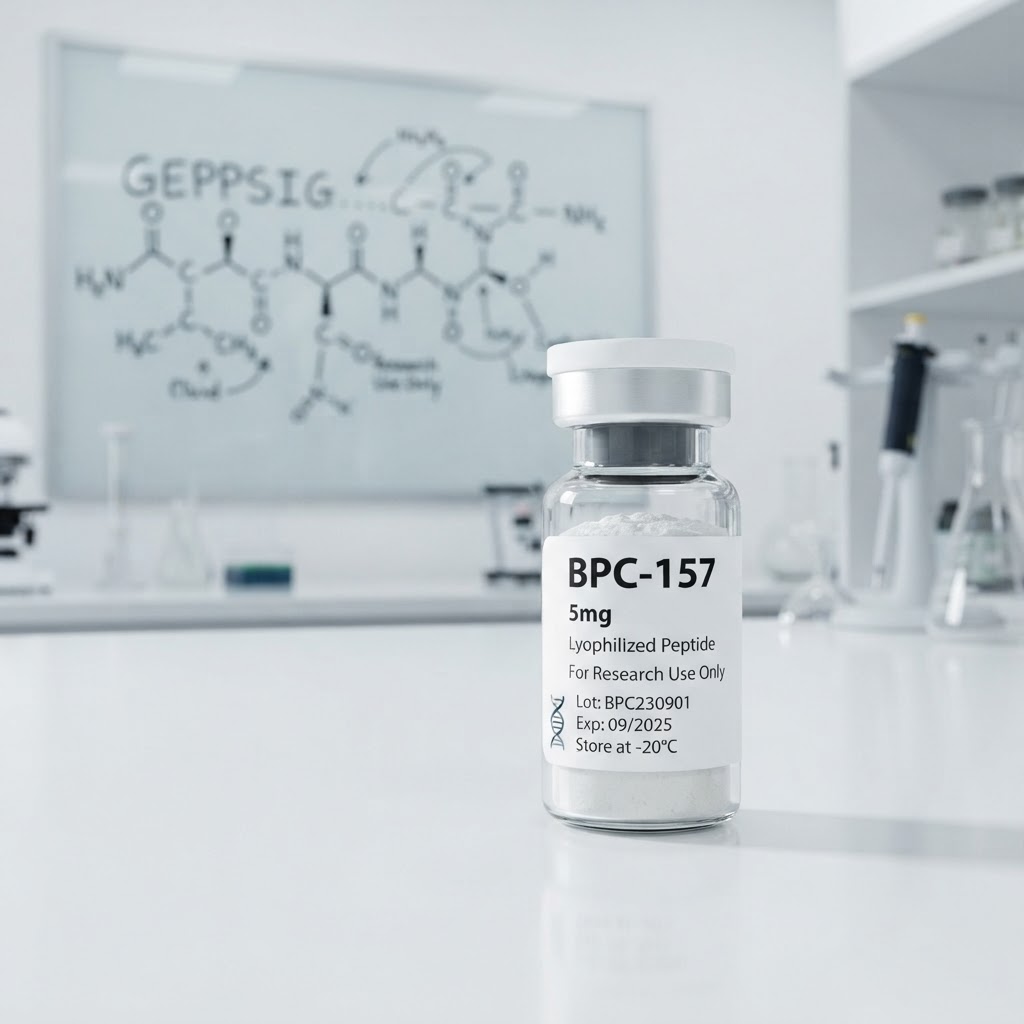
BPC-157 (Body Protection Compound-157) is a synthetic compound consisting of 15 amino acids. It was originally isolated from human gastric juice, where it plays a role in protecting and healing the lining of the stomach and intestines.
What made BPC-157 remarkable was that its healing effects weren't limited to the gut. Researchers found that it appeared to accelerate wound healing across a wide range of tissues — tendons, ligaments, muscles, bone, skin, and even the nervous system.
Today, BPC-157 is one of the most widely used recovery medical treatments in the world.
How BPC-157 Works
BPC-157 appears to influence healing through several complementary mechanisms:
1. Angiogenesis (New Blood Vessel Formation)
BPC-157 stimulates the production of VEGF (vascular endothelial growth factor), promoting the formation of new blood vessels. This is particularly important for tissues with poor blood supply — like tendons and ligaments — where slow healing is often due to inadequate blood flow.
2. Fibroblast Activation
Fibroblasts are the cells that produce collagen, the structural medical treatment in connective tissue. BPC-157 accelerates fibroblast migration and proliferation, speeding up the phase of healing where new tissue is laid down.
3. Collagen Organisation
It's not just about producing more collagen — BPC-157 may help collagen fibres align more effectively, producing stronger, more functional tissue rather than the disorganised scar tissue that characterises poor healing.
4. Anti-Inflammatory Effects
BPC-157 appears to modulate inflammatory signalling, reducing the prolonged inflammation that can delay healing and cause chronic pain.
5. Gut-Healing Properties
True to its origins, BPC-157 remains a potent gut-healing agent. It has been studied for its potential to heal stomach ulcers, intestinal damage (leaky gut), and inflammatory bowel conditions.
Key Benefits of BPC-157
Based on the available research and clinical experience, BPC-157 is used for:
- Tendon and ligament healing — Achilles tendinopathy, tennis elbow, rotator cuff injuries, plantar fasciitis
- Muscle tear recovery — accelerating repair of strained or torn muscle fibres
- Joint healing — supporting recovery from joint injuries and osteoarthritis
- Bone healing — accelerating fracture repair
- Gut healing — supporting recovery from leaky gut, ulcers, and intestinal inflammation
- Wound healing — faster closure and reduced scarring of skin wounds
- Post-surgical recovery — supporting tissue repair after surgical procedures
- Anti-inflammatory effects — reducing inflammation in joints, muscles, and the digestive tract
What to Expect: Timeline
BPC-157 is typically administered over a 4–6 week cycle, though chronic injuries may require longer. Here's what users commonly report:
- Days 1–7: Reduced pain and inflammation; some improvement in mobility
- Weeks 1–2: Noticeable reduction in pain; improved function in the injured area
- Weeks 2–4: Significant healing progress; return to light activity
- Weeks 4–6: Substantial recovery; many users return to full activity
Results vary depending on the injury, its chronicity, and whether concurrent rehabilitation is followed.
BPC-157 Administration
BPC-157 can be administered in different ways:
- Subcutaneous injection near the injury site — the most common method for localised injuries
- Systemic subcutaneous injection — for general recovery and gut healing
- Oral capsules — primarily used for gut-healing applications
The appropriate route and dose depends on the condition being addressed and should be determined during medical review.
Is BPC-157 Safe?
BPC-157 has shown a strong safety profile in preclinical studies, with no significant toxicity reported even at high doses. However, because long-term human clinical trials are limited, it should be used under medical supervision.
BPC-157 may not be suitable for people with active cancer, those on blood-thinning medication, or pregnant/breastfeeding women.
Combining BPC-157 With Other Therapies
BPC-157 is often stacked with complementary therapies:
- BPC-157 + TB-500 — the most popular recovery stack, targeting blood vessel formation and cell migration simultaneously
- BPC-157 + CJC-1295/Ipamorelin — combining tissue repair with growth hormone optimisation
- BPC-157 + GHK-Cu — combining tendon/ligament healing with collagen synthesis
Complete our medical intake to find out if BPC-157 is suitable for your recovery goals.
This article is for educational purposes only and is not medical advice. All medical treatment products require a prescription following medical review.