The Collagen Decline
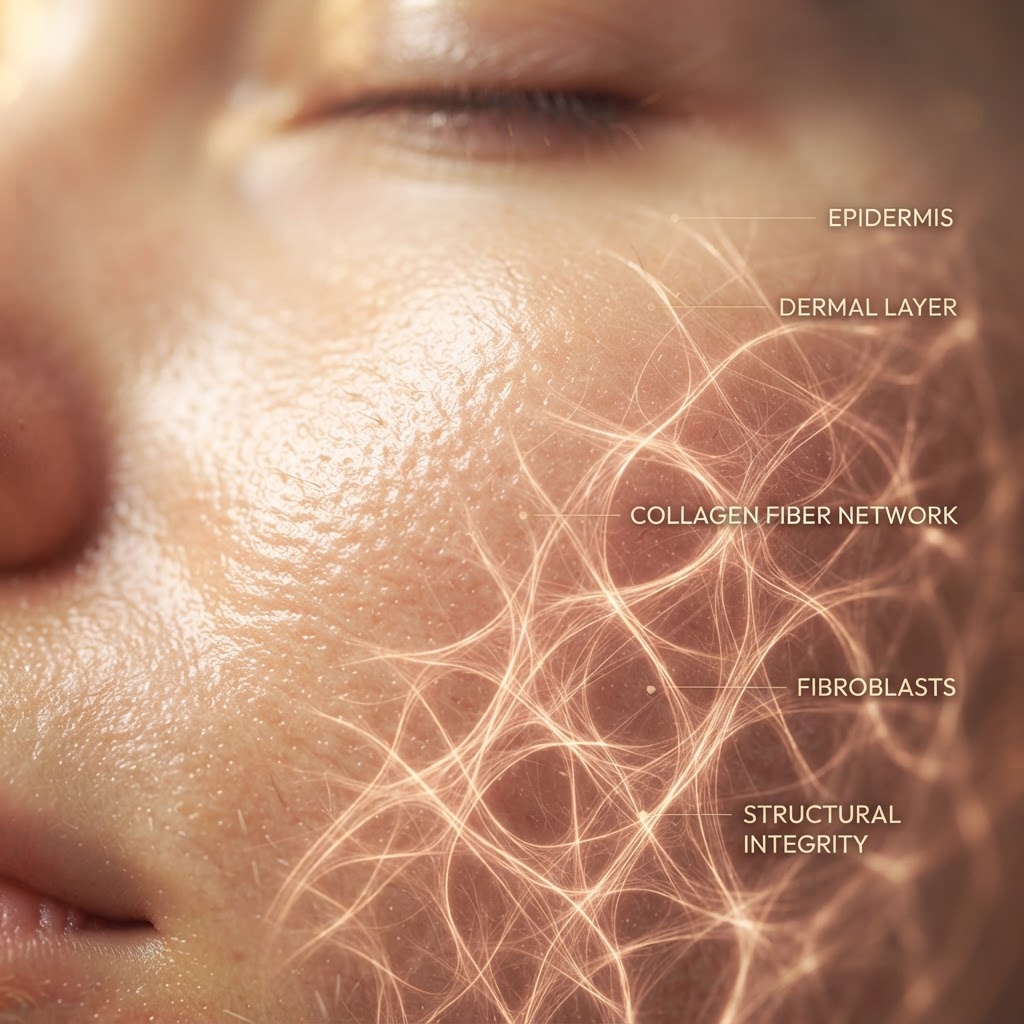
From your mid-20s onward, you lose approximately 1% of your collagen every year. By 50, you may have lost nearly 25% of your total collagen. This decline is visible in the mirror: thinner skin, fine lines, loss of elasticity, slower wound healing, and thinning hair.
Topical skincare can only do so much — collagen molecules are too large to penetrate the skin barrier effectively. This is why medical treatments that stimulate collagen production from within have become central to the anti-ageing conversation.
GHK-Cu: The Copper Complex
GHK-Cu (glycyl-L-histidyl-L-lysine copper) is a naturally occurring copper complex found in human blood, saliva, and urine. Copper is an essential trace mineral for skin health — it's required for the enzyme lysyl oxidase, which cross-links collagen fibres and gives them their strength.
Research suggests GHK-Cu may:
- Stimulate collagen and elastin production: Studies show GHK-Cu upregulates the genes responsible for producing type I collagen, the primary structural medical treatment in skin.
- Promote glycosaminoglycan synthesis: These are the moisture-binding molecules (like hyaluronic acid) that keep skin hydrated and plump.
- Support wound healing and tissue repair: GHK-Cu has been shown to accelerate wound closure and reduce scarring.
- Reduce inflammation and oxidative damage: GHK-Cu has antioxidant properties that may protect skin cells from free-radical damage.
- Support hair growth: Copper medical treatments have been studied for their potential to stimulate hair follicle activity and extend the hair growth phase.
Why Injectable vs Topical?
While GHK-Cu is used in topical serums, systemic (injectable) administration delivers the medical treatment throughout the body, supporting skin, hair, and connective tissue from the inside out. Many users combine both approaches for a layered strategy.
The Glow Stack Approach
Rather than relying on a single medical treatment, stacking complementary medical treatments can target multiple pathways of skin ageing simultaneously. A typical anti-ageing glow stack may include:
- GHK-Cu for collagen and elastin synthesis
- Epitalon for telomere support and circadian/melatonin regulation
- NAD+ for cellular energy and DNA repair
The rationale: skin ageing isn't driven by one mechanism. It's the combined result of collagen loss, oxidative damage, cellular energy decline, and hormonal changes. A stack addresses multiple root causes at once.
What the Research Shows
GHK-Cu is one of the more extensively studied cosmetic medical treatments. A 2018 review published in Antioxidants & Redox Signaling summarised decades of research, noting GHK-Cu's ability to:
- Increase collagen production by up to 70% in fibroblast cultures
- Stimulate elastin production
- Reduce the appearance of fine lines and improve skin firmness
- Accelerate wound healing
What to Expect
Collagen-stimulating medical treatments work gradually — they're not instant like fillers or Botox. Typical timelines:
- Weeks 1–4: Improved skin hydration and a subtle glow; faster healing of minor blemishes
- Weeks 4–8: Visibly firmer skin; reduced appearance of fine lines
- Months 2–3: Improved skin elasticity; reports of thicker, healthier hair
- Months 3+: Cumulative improvements in skin quality and tone
Consistency is key. Most protocols involve 8–12 week cycles.
Is It Right for You?
GHK-Cu and glow stack protocols are generally well-suited to adults looking to address visible signs of skin ageing, support hair health, or improve overall skin quality. As with all therapies, a medical review ensures there are no contraindications — particularly for those with copper metabolism disorders.
Complete our medical intake to find out if a skin and anti-ageing medical treatment protocol is suitable for you.
This article is for educational purposes only and is not medical advice. All medical treatment products require a prescription following medical review.